
Articles in English
Russian Proverbs Part II
In the previous article we looked at a few most popular Russian proverbs. In the second part of the article we are going to talk about some other Russian proverbs.

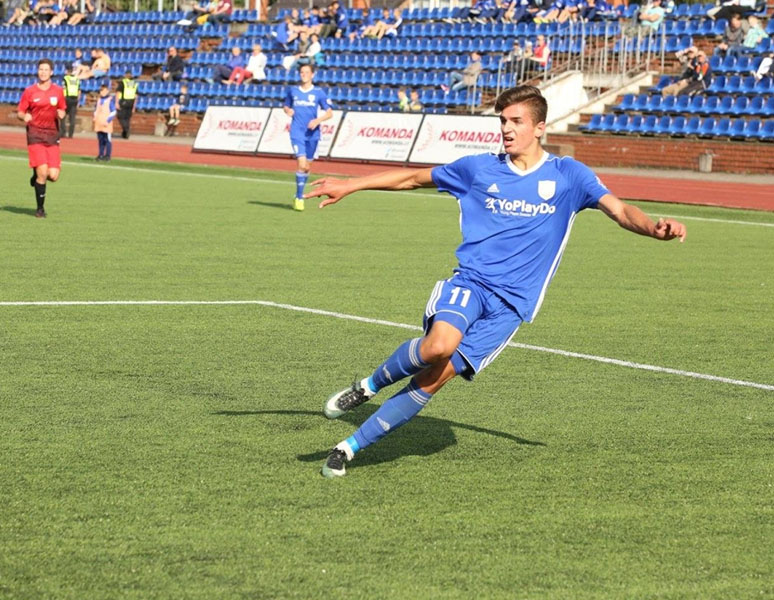
Sport in Daugavpils
In this article we are going to tell you about sport in Daugavpils, and about the places where you can spend your free time and keep fit.
Days of the Week in the Russian Language
Today we are going to tell you about the names of the days of the week in the Russian language and to analyze their origin. Let’s have a closer look at the days of the week
Russian Idioms
An idiom is a set expression which refers only to one particular language. Idioms are similar to proverbs but unlike proverbs, they are not complete sentences. For example, Russian idioms cannot be translated into another language.
How to Say “Happy Birthday!” in Russian
A birthday is the most special and significant event in life. People usually celebrate their birthday with their family and friends. On this day the most desired dreams may come true. However, you should wish it to happen to a person.
Russian Proverbs
Russian proverbs are short and apt expressions that belong to the folk genre. Russian people made up most of this kind of word combinations, although, a lot of them came into the language from literature. In just a few words these phrases comment on some life situations.
Facts about Daugavpils (Infographic)
Daugavpils is a multicultural city with a vibrant history dated back to the 13th century. Geographically located at an important position, the city has always been in the centre of events. We selected the most interesting facts about Daugavpils – its present and past.
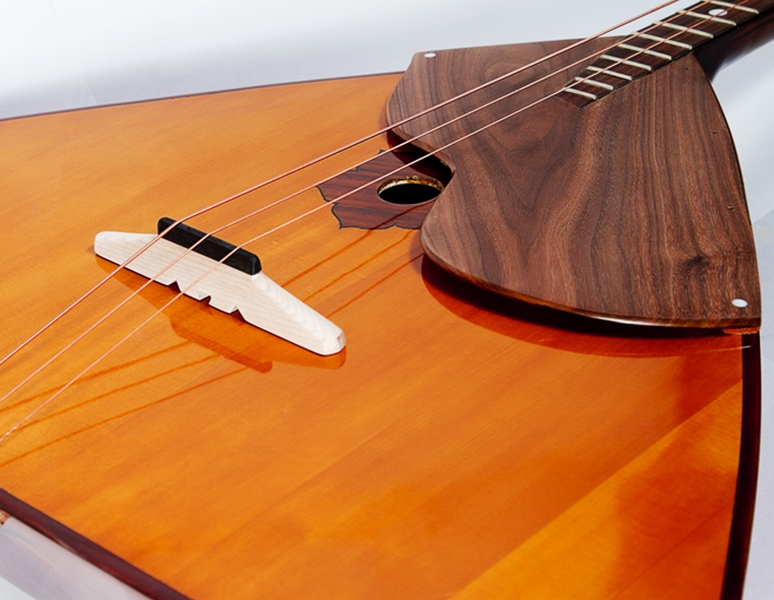
Balalaika – a Russian National Musical Instrument
Balalaika is a Russian national musical instrument. It is a symbol of a Russian music world, as well as one of the well-known symbols of Russia’s culture and daily life alongside chastushka, Matryoshka, bears, etc.
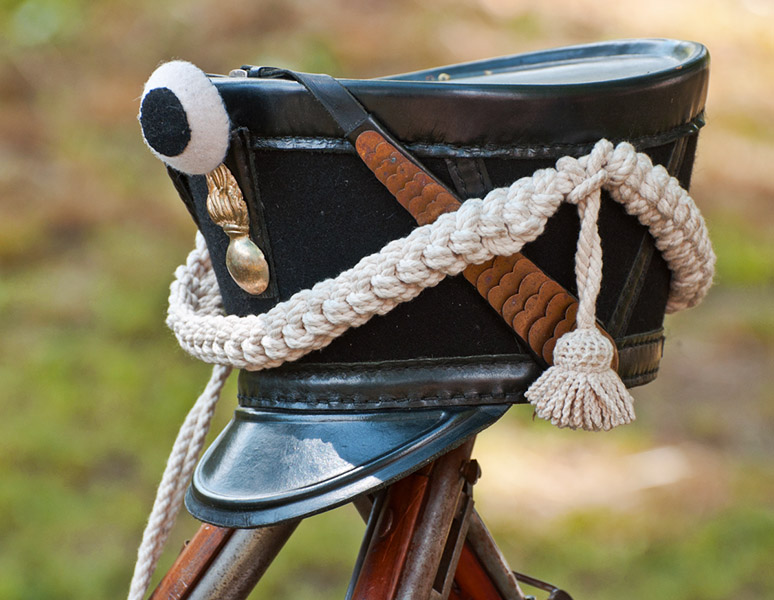
Festival of Military History Reconstruction “Dinaburg 1812”
The International Festival of Clubs of Military History Reconstruction “Dinaburg 1812” is held in Dinaburg Fortress (Daugavpils Fortress nowadays). This festival is devoted to the events happened in the 19th century and it is filled with the spirit of that epoch.
How to Say “I don’t speak Russian”
When you travel in Russian-speaking countries, but don’t speak Russian, it would be very useful to know how to say “I don’t speak Russian” in Russian, because people will speak Russian to you everywhere – at a hotel, on public transport, taxi, etc.
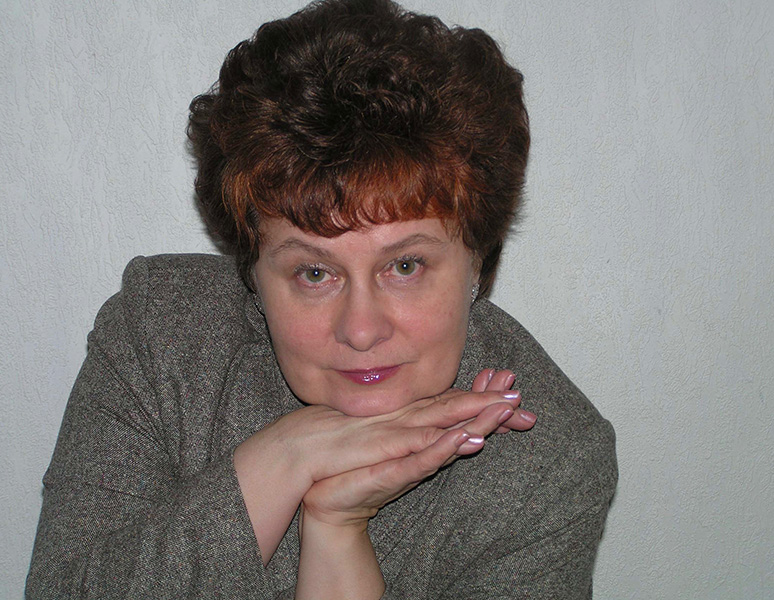
Anna Stankevich – a teacher in Learn Russian in the EU
Today one of our great teachers Anna Stankevich is going to tell us about herself. We offer you our next article about the teachers in the Learn Russian in the EU project.
How to Set Up Russian letters in Windows
Everybody who studies the Russian language faces the problem of how to set up Russian letters on their keyboard. It’s is especially important when you use somebody else’s computer or have just bought a new computer. Today we are going to tell you how to change the input language in Windows 8 and Windows 10.

